










Most organizations already use some form of digital training, employee onboarding, or online education tools. However, many businesses still struggle with disconnected systems, low learner engagement, and inefficient training management. In this guide, you’ll learn what learning management solutions are, how they work, which features matter most, and how to choose the right LMS platform for your organization.
Key Takeaways
- Learning management solutions help organizations create, manage, deliver, and track digital learning programs from a centralized platform.
- Cloud-based LMS platforms improve training scalability, accessibility, and operational efficiency for businesses and educational institutions.
- Corporate learning management systems streamline employee onboarding, compliance training, and workforce development initiatives.
- AI-powered LMS solutions personalize training experiences using learner behavior, assessments, and adaptive learning paths.
- Modern LMS software includes course management, analytics, certifications, mobile learning, and HRMS integrations.
- LMS implementation strategies should focus on scalability, security, user experience, and long-term business goals.
- Continuous LMS optimization improves learner engagement, employee productivity, and training ROI over time.
What Are Learning Management Solutions and How Do They Work?
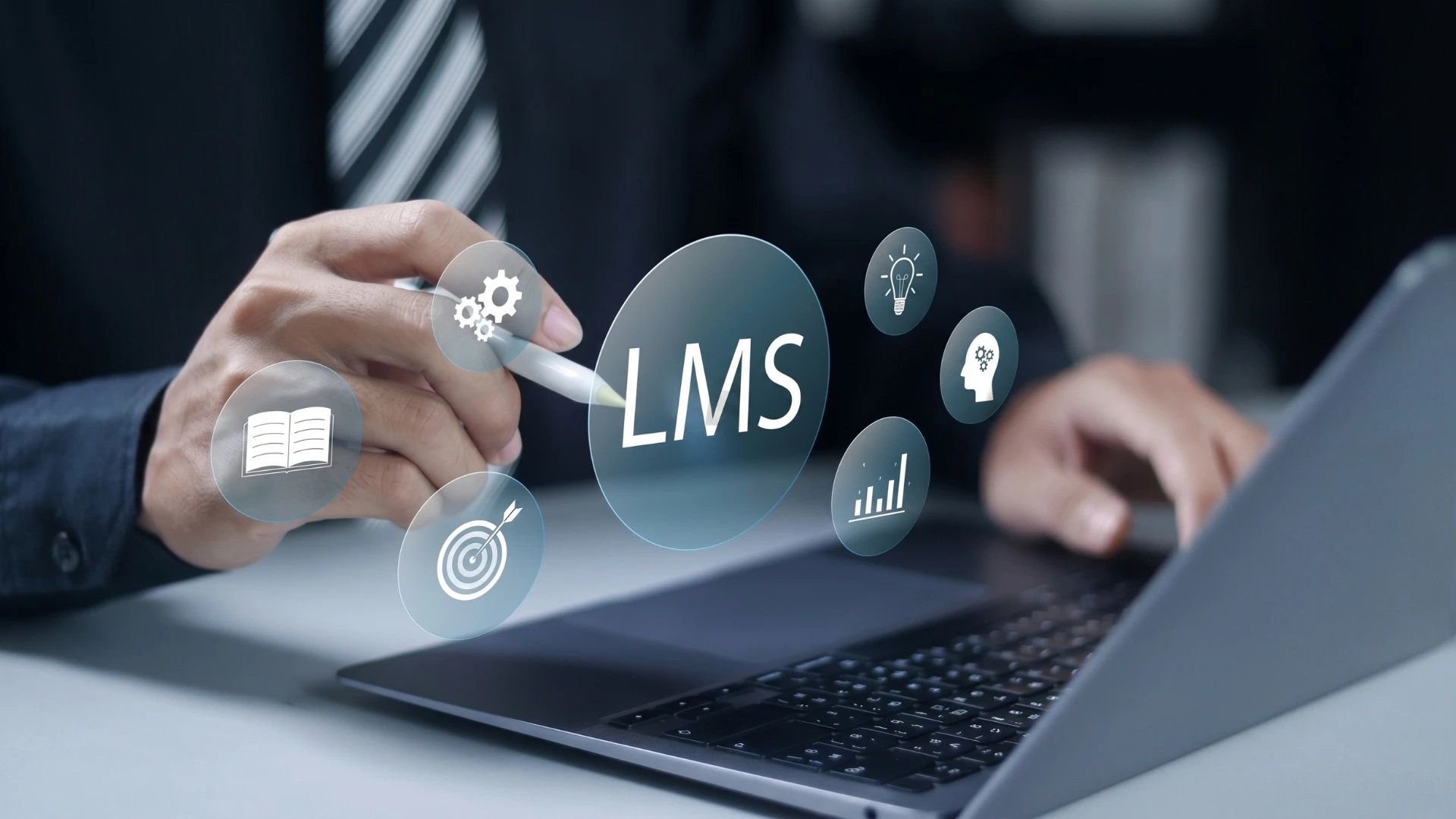
Learning management solutions are digital platforms used to create, manage, deliver, and track online learning and training programs. These platforms help businesses, schools, and training institutions centralize learning activities while improving accessibility and performance tracking.
First, a learning management system (LMS) allows organizations to upload training content, assign courses, track learner progress, conduct assessments, and generate reports. For example, a company can use an LMS software platform to onboard new employees with automated training modules and certification tracking.
Moreover, many people confuse LMS platforms with LCMS and eLearning tools. While they are related, they serve different purposes.
| Platform Type | Primary Purpose | Best For |
| LMS | Managing and tracking learning | Employee training, schools |
| LCMS | Creating learning content | Content development teams |
| eLearning Platform | Delivering online courses | Course creators and educators |
Additionally, cloud-based learning management solutions allow organizations to scale training programs without investing heavily in physical infrastructure. This flexibility makes LMS platforms ideal for hybrid workplaces and remote learning environments.
Core Components of a Learning Management System
A learning management system includes course management, learner tracking, assessments, analytics, and communication tools. These components work together to improve digital learning experiences and administrative efficiency.
For example, a corporate LMS platform may include:
- Course creation dashboards
- Employee skill tracking
- Automated certifications
- Mobile learning support
- AI-driven recommendations
- Reporting and analytics panels
Furthermore, organizations often combine LMS platforms with HRMS software integration to automate employee records and training updates.
👉 Visit HRMS Software Integration Guide to learn how connected HR systems streamline payroll, attendance, and employee management.
Why Are Learning Management Solutions Important for Businesses?
Learning management solutions improve training efficiency, employee engagement, and organizational scalability through centralized learning management.
First, digital learning has become essential for modern businesses. Companies with distributed teams need flexible training systems that employees can access from anywhere. For example, remote onboarding programs allow businesses to train employees without physical classrooms.
Moreover, LMS software reduces operational costs. Businesses can eliminate printing expenses, reduce travel costs, and automate repetitive training tasks. This makes online learning both scalable and cost-effective.
Learning management systems improve employee onboarding, compliance tracking, and workforce skill development through centralized training management.
a. How LMS Platforms Improve Employee Productivity
Corporate learning management systems improve productivity by delivering structured and personalized training experiences. Employees can learn at their own pace while managers track progress in real time.
For example, sales teams can access microlearning modules before client meetings, while HR departments can automate compliance training workflows. This reduces manual follow-ups and improves accountability.
Additionally, organizations can connect LMS platforms with an employee attendance management system for better workforce visibility and learning participation tracking.
👉 Read Employee Attendance Management System Strategies to discover smarter ways to track attendance, shifts, and workforce productivity.
b. Why Compliance Training Matters
Compliance training software solutions help organizations meet industry regulations and reduce operational risks. Industries such as healthcare, manufacturing, and finance rely heavily on compliance certifications.
For example, businesses can automate annual policy training, safety certifications, and audit-ready reporting inside their LMS software platform.
What Are the Different Types of Learning Management Solutions?
Learning management solutions come in multiple formats designed for different organizational needs, industries, and training goals.
1. Cloud-Based LMS Platforms
Cloud-based LMS platforms host learning systems online for easy accessibility and scalability. Organizations can deploy training quickly without managing physical servers.
For example, startups often prefer cloud-based LMS software because it reduces IT maintenance and supports remote teams.
2. Self-Hosted LMS Solutions
Self-hosted LMS platforms give organizations full control over customization, security, and infrastructure. Large enterprises with strict data compliance requirements often choose this deployment model.
However, self-hosted solutions usually require dedicated IT resources and ongoing maintenance.
3. Corporate Learning Management Systems
Corporate LMS platforms focus on employee training, onboarding, compliance, and workforce development. These systems prioritize analytics, automation, and integrations with HR and productivity tools.
4. Academic Learning Platforms
Academic LMS platforms support schools, colleges, and universities through virtual classrooms and course management tools. Teachers can assign lessons, conduct quizzes, and track student performance digitally.
5. AI-Powered Learning Platforms
AI-powered learning management solutions use learner behavior and performance data to personalize training experiences. These platforms recommend courses based on skill gaps and learning preferences.
What Features Should You Look for in a Learning Management System?
The best learning management solutions include course management, analytics, mobile learning, integrations, and AI-powered personalization.
1. Essential LMS Features
First, course management tools help administrators create structured learning journeys. For example, HR teams can build onboarding workflows with videos, assessments, and certifications.
Second, reporting dashboards improve visibility into learner progress and training effectiveness. Businesses can identify skill gaps and improve learning outcomes through analytics.
2. Mobile Learning and Accessibility
Mobile learning platforms improve training accessibility for remote and field employees. Learners can complete courses from smartphones or tablets anytime.
For example, logistics teams and sales professionals often rely on mobile LMS access during travel and field operations.
👉 Explore Mobile Workforce Management Tools to improve employee productivity, field operations, and real-time workforce tracking.
3. Gamification and Engagement
Gamification features improve learner participation through rewards, badges, and leaderboards. Interactive learning experiences increase course completion rates and employee motivation.
For example, organizations can award badges for completing compliance certifications or onboarding milestones.
How Do You Choose the Best Learning Management Solution for Your Organization?
Choosing the right learning management solution requires evaluating scalability, integrations, user experience, security, and long-term business goals.
1. Evaluate Business Requirements
First, identify your organization’s training objectives. A startup may prioritize onboarding automation, while enterprises may need advanced compliance tracking.
For example, businesses with remote teams should prioritize cloud-based LMS software with mobile learning capabilities.
2. Assess User Experience
User-friendly LMS platforms improve learner adoption and engagement. Complex interfaces often reduce participation and increase training resistance.
For example, intuitive dashboards and simple navigation encourage employees to complete training modules faster.
3. Review Integration Capabilities
LMS implementation works best when the platform integrates with HRMS, CRM, communication, and productivity tools. Seamless integrations reduce manual data entry and improve operational efficiency.
How Can Small Businesses Benefit From Learning Management Solutions?
Small businesses use learning management solutions to streamline employee training while reducing operational costs.
First, small companies often lack dedicated training departments. LMS software helps automate onboarding, policy training, and employee skill development without large administrative teams.
For example, startups can use digital learning modules to train employees consistently across locations.
Moreover, cloud-based LMS solutions allow businesses to scale training programs gradually as teams grow.
Why eGenius Is a Smart LMS Solution
eGenius provides scalable learning management solutions designed for modern businesses and workforce development. The platform supports employee onboarding, digital learning management, analytics, compliance workflows, and training automation from a centralized system.
Additionally, eGenius helps organizations simplify learning delivery while improving employee engagement and operational productivity.
👉 Visit eGenius learning management solutions and modernize workforce training today
What Are the Common Challenges in LMS Implementation?
LMS implementation challenges include low adoption rates, content migration issues, integration difficulties, and employee resistance.
First, employees may resist new training systems if the interface feels complicated. Organizations can improve adoption by offering onboarding tutorials and simple user experiences.
Second, content migration often creates delays during LMS deployment. Businesses should organize training materials before implementation begins.
LMS implementation involves platform selection, content migration, user onboarding, integration setup, and performance tracking.
a. Technical Integration Challenges
Technical integration issues occur when LMS platforms fail to connect properly with existing business systems. Poor integrations create data silos and reporting inconsistencies.
For example, disconnected HR systems may prevent employee training records from updating automatically.
b. Training and Support Considerations
Vendor support and onboarding assistance improve LMS implementation success rates. Organizations should choose providers that offer documentation, technical support, and training resources.
How Do AI-Powered Learning Management Solutions Personalize Training?
AI-powered learning management systems personalize training using learner behavior, skill analysis, and adaptive learning paths.
First, AI tools analyze employee progress, assessment scores, and engagement patterns. The platform then recommends personalized courses based on performance gaps.
For example, a sales employee struggling with negotiation skills may automatically receive targeted learning modules.
AI-powered learning management solutions improve learner engagement through adaptive and data-driven training experiences.
👉 Read Programmatic Learning Personalization to discover how AI-driven recommendations improve training experiences and learner engagement.
Which Industries Benefit Most From Learning Management Systems?
Learning management systems support industries that require continuous training, compliance management, and workforce development.
Industries benefiting most include:
- Healthcare
- Manufacturing
- IT and software
- Education
- Retail
- Finance
- Logistics
For example, healthcare organizations use LMS platforms for certification tracking and compliance management, while retail companies use them for employee onboarding and customer service training.
Additionally, organizations adopting digital learning often combine LMS software with the best online collaboration tools to improve communication and team productivity.
Tools, Examples, and Practical Applications of Learning Management Solutions
Learning management solutions automate training workflows, improve learning accessibility, and centralize employee development programs.
a. Employee Onboarding Automation
LMS platforms improve the employee onboarding process through structured digital learning workflows. Businesses can automate welcome training, HR policies, and compliance modules.
For example, new hires can complete orientation programs before their first working day.
b. Corporate Learning Automation
Corporate training automation improves learning consistency and reduces administrative workload. Businesses can schedule recurring certifications and skill-based learning paths automatically.
For example, managers can assign annual compliance training to all employees using workflow automation inside eGenius.
How Can You Measure the ROI of a Learning Management Solution?
LMS ROI measurement tracks improvements in productivity, engagement, training completion, and operational efficiency.
First, organizations should monitor course completion rates, learner participation, and certification progress.
Second, businesses can evaluate productivity improvements after training implementation. For example, faster onboarding often reduces time-to-productivity for new employees.
Key LMS Performance Metrics
Organizations should track:
- Course completion rates
- Employee engagement levels
- Certification renewals
- Assessment scores
- Training costs saved
- Productivity improvements
Moreover, analytics dashboards help organizations continuously optimize training programs and learner experiences.
Conclusion
Learning management solutions help organizations modernize training, improve workforce development, and scale digital learning efficiently. Businesses today need flexible, data-driven, and engaging learning systems to stay competitive in rapidly evolving industries.
Moreover, cloud-based and AI-powered LMS platforms continue transforming employee onboarding, compliance training, and organizational learning experiences. By choosing the right LMS software, businesses can improve productivity, streamline operations, and build a stronger learning culture.
If your organization wants to simplify training management and improve workforce performance, now is the perfect time to invest in a scalable learning platform.
FAQs
1. What is a learning management solution?
A learning management solution is a digital platform that helps organizations create, manage, deliver, and track online learning and employee training programs.
2. How do cloud-based LMS platforms improve training?
Cloud-based LMS platforms improve accessibility, scalability, and remote learning while reducing infrastructure and maintenance costs.
3. What industries use learning management systems?
Industries such as healthcare, education, manufacturing, retail, finance, and IT use LMS platforms for training and compliance management.
4. How do AI-powered LMS platforms personalize learning?
AI-powered LMS platforms analyze learner behavior and performance data to recommend personalized learning paths and adaptive training content.
5. Why is LMS implementation important for businesses?
LMS implementation improves employee onboarding, compliance tracking, workforce development, and overall training efficiency.
👉 Visit eGenius.in to discover smarter learning management solutions that simplify employee training, automate onboarding, and accelerate digital learning growth for modern organizations.