








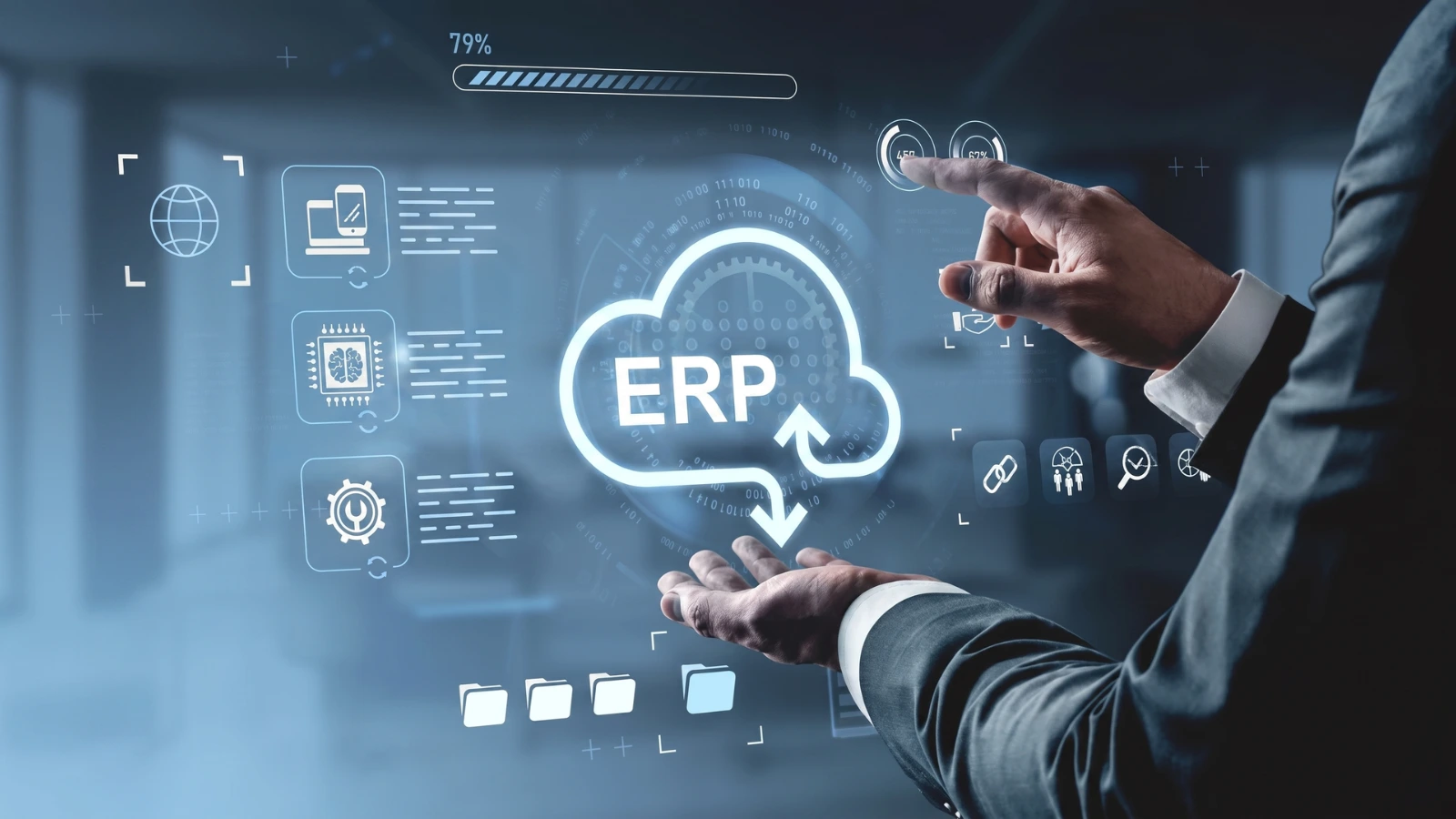
Most businesses use separate tools for accounting, HR, inventory, and daily operations. What many leaders do not realize is that disconnected systems create delays, duplicate work, and poor visibility. In this guide, you will learn what enterprise resource management is, how it works, and how it helps businesses run smarter and more quickly.
Key Takeaways
- Enterprise resource management integrates finance, HR, inventory, procurement, and operations into one centralized system.
- Enterprise resource management systems create a single source of truth for reporting and decision-making.
- Automation reduces manual data entry, minimizes errors, and improves operational efficiency.
- Core modules include accounting, human resources, procurement, project tracking, and inventory management.
- Implementation of success depends on process mapping, stakeholder alignment, and employee training.
- Scalable workflows help businesses grow without increasing operational complexity.
- eGenius helps organizations centralize and automate core business functions in one connected platform.
What Is Enterprise Resource Management?
Enterprise resource management is the process of integrating and managing an organization’s core business functions through a centralized system.
In simple terms, it allows you to run finance, HR, inventory, procurement, and operations from one platform instead of using multiple disconnected tools.
Think of enterprise resource system as the central nervous system of your business. When one department updates information, every other department instantly sees the same data.
For example, when your sales team confirms an order, inventory checks stock, procurement reorders materials, finance creates an invoice, and management tracks profitability automatically.
👉 Discover how enterprise resource planning software unifies finance, HR, inventory, and operations into one connected platform for better control and faster growth.
Why Is Enterprise Resource Management Important for Businesses?
Enterprise resource management is important because it eliminates disconnected processes and gives leaders complete visibility into operations.
Without a centralized system, teams often work in spreadsheets and isolated software applications. This creates duplicate entries, inconsistent data, and slower decisions.
When all departments share the same information, managers can identify bottlenecks, forecast accurately, and respond quickly to changing business needs.
Enterprise resource system also supports standardization, which makes it easier to scale your business and maintain control.
👉 Learn how a digital transformation strategy helps businesses modernize processes, improve efficiency, and stay competitive.
How Does an Enterprise Resource Management System Work?
Enterprise resource systems work by storing all business data in a shared database and automating workflows across departments.
When a user updates information in one module, the changes are reflected throughout the system in real time.
For example, if inventory falls below a minimum level, the system can automatically create a purchase request and notify the procurement team.
This automation reduces repetitive tasks, minimizes human error, and speeds up operations.
What Are the Main Modules of Enterprise Resource Management Software?
Enterprise resource management software includes specialized modules for every major business function.
Each module works independently while sharing information with all other modules.
| Module | Purpose |
| Finance & Accounting | Manage invoices, expenses, budgets, and reports |
| Human Resources | Handle payroll, attendance, and employee records |
| Inventory Management | Track stock levels and warehouse movements |
| Procurement | Manage suppliers and purchase orders |
| Customer Management | Track leads, customers, and sales |
| Project Management | Monitor tasks, timelines, and budgets |
| Reporting & Analytics | Generate dashboards and insights |
👉 Explore how human resource management software streamlines payroll, attendance, and employee management.
What Are the Benefits of Enterprise Resource Management?
Enterprise resource system helps businesses improve productivity, reduce costs, and make better decisions.
1. Better Visibility
Leaders can access real-time dashboards and monitor performance across every department.
2. Improved Productivity
Employees spend less time entering data and more time focusing on high-value work.
3. Fewer Errors
Shared data reduces duplication and inconsistencies.
4. Stronger Compliance
Approval workflows and audit trails improve accountability.
5. Faster Growth
Standardized processes make expansion easier and more predictable.
What Is the Difference Between Enterprise Resource Management and ERP?
Enterprise resource management is the business strategy, while ERP is the software used to implement that strategy.
In practice, the two terms are often used interchangeably because ERP systems are the most common tools for managing enterprise resources.
| Term | Meaning |
| Enterprise Resource Management | A business approach to integrating resources and processes |
| ERP | Software that supports enterprise resource management |
What Challenges Do Businesses Face During ERM Implementation?
Enterprise resource system implementation can be challenging because it changes both technology and business processes.
Common challenges include poor data quality, unclear requirements, limited training, and employee resistance.
The best way to reduce risk is to map existing processes, define measurable goals, clean data, and train users thoroughly.
A phased rollout usually delivers better results than attempting to launch everything at once.
👉 Follow a practical ERP implementation checklist to plan deployment, reduce risks, and ensure successful adoption.
Which Industries Use Enterprise Resource Management Systems?
Enterprise resource systems are used in nearly every industry that needs to coordinate people, processes, and resources.
1. Manufacturing
Manufacturers use ERM to manage production, inventory, procurement, and quality control.
2. Retail and E-commerce
Retailers synchronize stock, sales, and financial reporting.
3. Healthcare
Hospitals manage staffing, procurement, and billing.
4. Education
Schools and universities track admissions, payroll, attendance, and finances.
5. Construction
Construction firms monitor projects, materials, and labor costs.
6. Logistics
Logistics companies optimize fleet, warehouse, and supply chain operations.
Why eGenius Is a Smart Enterprise Resource Management Solution
eGenius is a comprehensive enterprise resource management platform that helps businesses centralize and automate their core operations.
Instead of using separate systems, you can manage finance, HR, inventory, procurement, and projects from one connected platform.
What eGenius Helps You Manage
- Finance and accounting
- Payroll and HR
- Inventory and warehouse operations
- Procurement and vendor management
- Project and task tracking
- Real-time dashboards and analytics
Why Businesses Choose eGenius
- Cloud-based accessibility
- Scalable architecture
- Role-based security
- Workflow automation
- Customizable processes
👉 Compare key features and benefits to find the right ERP solution for growing businesses.
How Do You Choose the Right Enterprise Resource Management System?
The right enterprise resource management system aligns with your operational needs and future growth plans.
Start by identifying your biggest challenges, such as manual reporting, inventory issues, or disconnected teams.
Then evaluate software based on scalability, integration, security, and ease of use.
Finally, involve stakeholders from finance, HR, operations, and IT before making a decision.
👉 Learn how cloud-based ERP systems provides secure access, automatic updates, and scalable infrastructure.
What Should You Do Next When Choosing an ERM Solution?
Choosing an enterprise resource system starts with understanding your current processes and business goals.
First, document your workflows and identify bottlenecks.
Second, prioritize the departments and functions you want to integrate.
Third, request a demo of eGenius to see how it can centralize and automate your operations.
Finally, create a phased implementation roadmap and train your team for successful adoption.
Conclusion: Centralize, Automate, and Scale with Confidence
Enterprise resource management helps businesses integrate finance, HR, inventory, procurement, and operations into one unified system.
By replacing disconnected tools with a centralized platform, you can reduce errors, improve visibility, and make faster decisions.
Whether you run a small business or a large enterprise, adopting the right ERM solution can transform the way your organization operates and grows.
Frequently Asked Questions
1. What is enterprise resource management in simple words?
Enterprise resource management is a way to manage all major business functions, such as finance, HR, inventory, and procurement, from one centralized system.
2. Is enterprise resource management the same as ERP?
Enterprise resource management is the business strategy, while ERP is the software used to implement that strategy.
3. Who should use enterprise resource management software?
Business owners, finance teams, HR managers, operations leaders, and growing organizations can all benefit from enterprise resource management software.
4. How long does enterprise resource management implementation take?
Small implementations may take a few weeks, while larger deployments can take several months depending on complexity.
5. Why is eGenius a good enterprise resource management solution?
eGenius centralizes key business processes, automate workflows, and provides real-time insights to help organizations improve efficiency and scale.
👉 Visit eGenius and discover how enterprise resource management can centralize finance, HR, inventory, and operations to automate workflows and help your business scale faster.