







Manual exams have shaped the education system for decades, but they are slow, prone to errors, and difficult to scale. Today, institutions are exploring smarter ways to assess learners accurately and efficiently.
Exam Management Software brings automation, transparency, and intelligence into the examination process, turning traditional assessments into a streamlined experience for administrators, teachers, and students. It eliminates repetitive tasks and reduces dependency on paperwork, creating space for better learning outcomes.
How Exam Management Software Is Redefining Academic Assessments
This technology replaces slow, paper-based tasks with automated tools that handle scheduling, question creation, student verification, and evaluation. It reduces errors, saves time, and removes the need for physical exam centers. As a result, exams become easier to manage, even when the number of students grows.
Moreover, Exam Management Software makes assessments more transparent, and data driven. Educators can track performance, monitor activity in real time, and generate detailed reports instantly. This creates a smoother, more reliable examination process that supports modern learning needs.
The Rise of Digital Exams in Modern Education
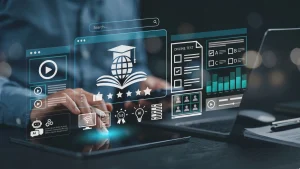
Digital exams are becoming a new standard because they remove slow and repetitive tasks. Teachers no longer handle piles of papers or spend hours checking answer sheets. Automated tools create questions, score responses, and maintain exam security, which makes the entire process faster and more accurate.
They also support modern learning habits. Students can take exams on laptops, tablets, or computers, giving them the freedom to participate from different locations. This flexibility makes assessments more accessible and ensures that learning is measured in a fair and consistent way.
Learn more: How Exam Management Software Is Powering Remote and Hybrid Learning Models
How Exam Management Software Enhances Accuracy and Security
Exam Management Software improves the entire examination lifecycle. It generates randomized question sets, protects data with encryption, and records activity during the exam. As a result, unauthorized access and manual errors are minimized. Digital audit trials ensure transparency, giving institutions confidence in the process.
Real-time proctoring and automated evaluation also reduce human intervention. These features help detect suspicious activities and ensure that every student receives a fair and unbiased assessment. Over time, digital systems build trust between institutions and learners.
Turning Exams into Insight-Driven Learning Systems
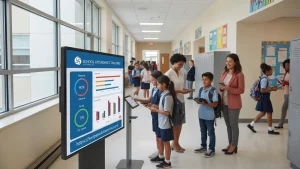
Assessments are no longer limited to marks. Exam platforms transform student performance into valuable insights that reveal learning patterns, highlight gaps, and support personalized improvement. This helps educators make faster, more informed decisions and gives institutions a complete picture of student progress.
Analytics tools also compare results across batches, subjects, and timelines. As a result, examinations evolve from a final step into a continuous learning process that supports growth, clarity, and long-term academic development.
Why Exam Management Software Marks the Future of Assessments
Education is moving toward systems that are faster, smarter, and easier to manage. Exam Management Software brings this shift to life by automating exam processes, reducing manual effort, and improving the accuracy of results. It supports both educators and students with tools that make assessments more organized, secure, and transparent.
With digital exams becoming more common, institutions can conduct tests anywhere, track performance instantly, and ensure fair evaluation. This technology creates a modern exam experience that aligns with today’s learning needs while preparing institutions for the future of assessments.
FAQs
1. What is Exam Management Software?
It is a digital tool that automates the creation, delivery, monitoring, and evaluation of exams.
2. Does it reduce exam-related workload?
Yes, because it simplifies tasks like question paper creation, scheduling, and result generation.
3. Is it secure?
Yes, it uses encryption, access control, and monitoring features to ensure exam integrity.
4. Can students take exams remotely?
Yes, online access allows students to participate in any location.
5. Does it support different exam formats?
Yes, multiple-choice, subjective, practical, and adaptive tests can all be conducted digitally.
Transform your exams with smarter digital tools. Visit eGenius.com