












A student tracking system is no longer just a digital tool. It is becoming a silent engine that makes everyday school activities smarter and more meaningful. In schools today, a lot happens every single day. Students attend classes, complete homework, participate in sports, interact with teachers, and engage in different learning moments. However, not every school knows how these daily activities impact academic performance. This is where a student tracking system makes a difference.
A student tracking system records and monitors different elements of a student’s daily school life. Instead of focusing only on marks and exams, it observes attendance, participation, learning habits, and progress. As a result, teachers, parents, and school management get a complete picture of how students learn, behave, and perform over time.
How Does a Student Tracking System Connect Activities with Learning?
Daily school activities may seem simple, but they hold valuable data. Every assignment, quiz, and interaction tells a story. A student tracking system collects this data and converts it into insights. For example, if students perform better in the morning, teachers can schedule important subjects at that time. Similarly, if a learner shows more interest in group activities, teachers can use collaborative projects to improve learning outcomes.
Because of this system, schools no longer guess what works. Instead, they make decisions based on real information, which leads to steady academic improvement.
Learn more: The Role of Digital Wallets in Student Management System: Simplifying Payments for Schools
Improving Participation and Attendance with a Student Tracking System
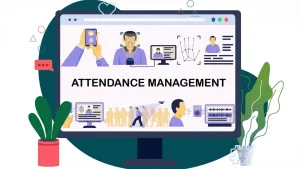
A student tracking system play an important role in helping schools understand how students behave in classrooms and how often they attend. It gathers information on moments when students lose interest, allowing teachers to adjust lessons with activities that keep them involved.
At the same time, it highlights attendance patterns and discipline issues, so problems can be identified before they affect learning. When students stay present, participate in activities, and maintain good habits, they are more likely to understand subjects clearly and perform well in exams.
This approach supports teachers, involves parents, and creates a learning environment where every student receives the right attention, leading to steady academic progress without added pressure.
Shaping Smarter Classrooms with Personalized Insights and Continuous Growth
Every learner understands subjects at a different pace, and expecting the entire class to follow the same path can create stress and confusion. A student management system helps teachers understand how each student responds to lessons, whether they need more guidance, advanced challenges, or a different mode of explanation. This approach encourages schools to move beyond one-size-fits-all teaching and create learning journeys that match individual strengths.
It also ensures that feedback does not wait until exams. Instead, students receive updates on their performance throughout the year, parents remain aware of classroom progress, and teachers adjust lessons whenever required. This constant flow of insights builds a more confident learning environment where students continue to grow, feel supported, and achieve success one step at a time.
Strengthening Parent Teacher Communication
Parents often worry about their child’s progress but do not always receive clear updates. A student management system changes this by offering real-time information on attendance, performance, homework, and behavior. With easy access to these details, parents stay involved and understand how to support their children better. Teachers also benefit, as conversations become more focused and productive. When parents and teachers share the same information, students receive consistent guidance from both sides, leading to stronger confidence and improved academic outcomes.
Advancing Academic Success Through the Student Tracking System
The world is moving toward data driven decisions, and education is no exception. A student tracking system give schools the ability to analyze trends, predict outcomes, and act at the right time. Instead of reacting after a problem occurs, schools can prevent it.
This makes the system more than a tool. It becomes a strategy that turns ordinary school routines into opportunities for learning improvement.
FAQs
1. What is the main purpose of a student tracking system?
It helps schools monitor the learning habits, attendance, and performance of students to make better academic decisions.
2. Who uses a student tracking system?
Teachers, parents, school administrators, and sometimes students use it to understand performance and progress.
3. Does a student tracking system replace teachers?
No. It supports teachers by giving them information that helps them teach more effectively.
4. Is it difficult to use a student tracking system?
Most systems are easy to use and include user-friendly dashboards, reports, and alerts.
5. Can it improve exam scores?
Yes. When teachers have clear insights, they provide better guidance, which leads to improved learning outcomes and better exam results.
Explore how digital insights can reshape student success at eGenius.com